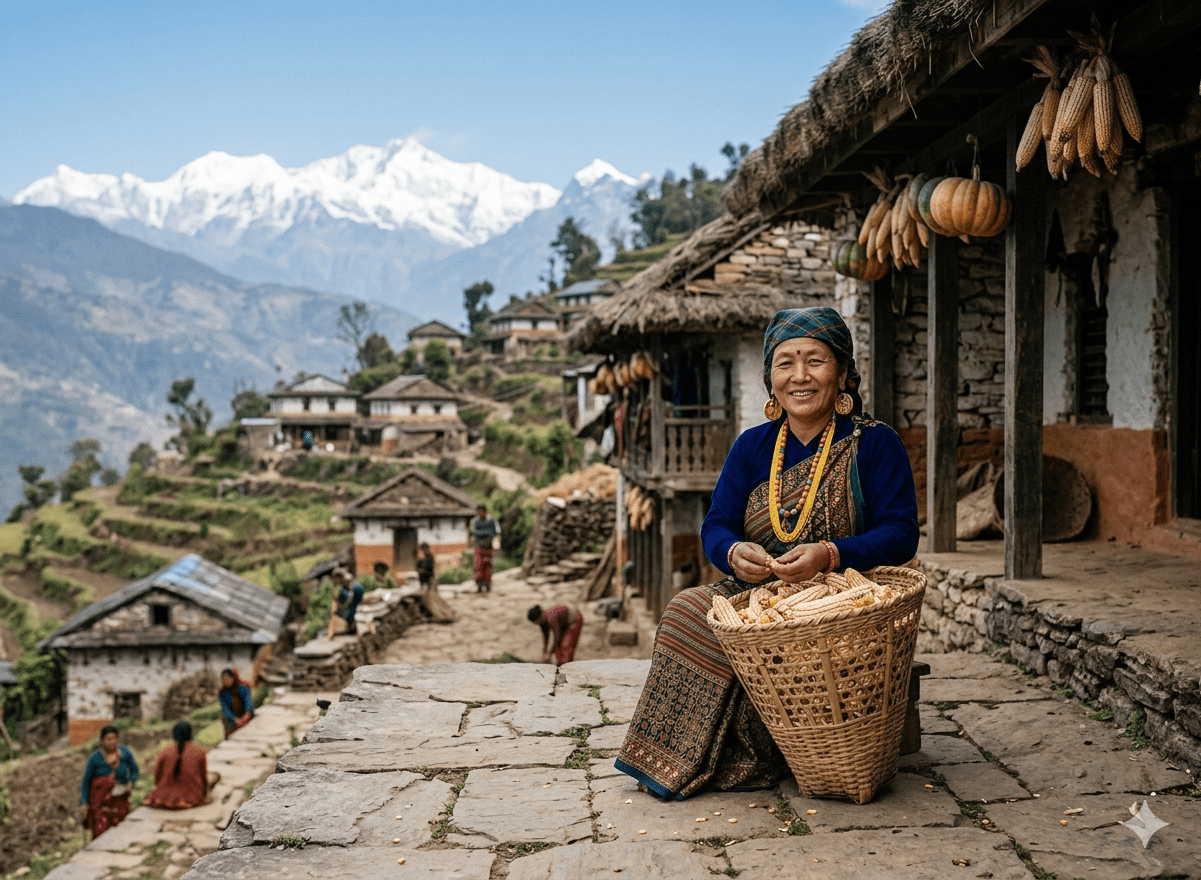
Minority Language Production:10 Powerful Ways to Improve Language Production Skills.
Introduction to Language Production
Language is more than a tool for communication. It is a powerful part of identity, culture, community, and personal expression. For people who speak minority languages, being able to produce their language confidently—through speaking, writing, storytelling, or other forms of communication—is especially important. Strong language production skills help individuals communicate naturally while also contributing to the preservation and revitalization of languages that may have fewer speakers or fewer resources.
Language production refers to the process of creating meaningful language. It includes producing words, sentences, conversations, stories, written texts, and other forms of communication. While understanding a language is important, learners also need regular opportunities to use the language actively.
For minority language speakers and learners, developing language production can sometimes be challenging. There may be limited learning materials, fewer opportunities to interact with fluent speakers, or social environments where a dominant language is used more frequently. Fortunately, consistent practice and the right strategies can make a significant difference.
In this article, we explore 10 powerful ways to improve language production skills and encourage greater confidence and participation in minority language communities.
What Is Language Production?
Before exploring strategies, it is useful to understand what language production means.
Language production is the process through which people transform their thoughts, ideas, emotions, and intentions into language. It can happen through speaking, writing, storytelling, conversation, presentations, singing, or other communicative activities.
For example, when someone wants to describe their hometown in a minority language, they must select appropriate vocabulary, organize their thoughts, construct sentences, and communicate their message. All of these activities involve language production.
Language production differs from language comprehension. Comprehension involves understanding language, while production involves creating language. A person may understand many words in a minority language but still struggle to speak or write it. This is why active production practice is essential.
Why Is Language Production Important for Minority Languages?
Minority languages can face challenges when dominant languages become more common in education, employment, media, government, and everyday communication. In such circumstances, people may understand their heritage language but use it less frequently.
Regular language production can help address this problem.
When speakers actively use their language, they strengthen their vocabulary, grammar, fluency, and confidence. More importantly, they create opportunities for the language to remain part of everyday life.
Language production can also support:
- Cultural identity and belonging
- Intergenerational communication
- Oral traditions and storytelling
- Community participation
- Language documentation
- Educational development
- Digital language resources
- Minority language revitalization
Now, let us look at practical ways to strengthen language production.
1. Practice Speaking Every Day
One of the most effective ways to improve language production is to speak the language regularly.
You do not need to have long conversations every day. Even 10–15 minutes of speaking practice can be valuable when done consistently. Talk about your daily activities, describe what you see around you, explain your plans, or tell a short story.
For example, you could describe your morning routine in your minority language:
- What did you do after waking up?
- What did you eat?
- Where did you go?
- Who did you meet?
- What are you planning to do tomorrow?
The goal is not perfect grammar. The goal is to make language production a natural part of your daily routine.
Over time, regular speaking reduces hesitation and makes it easier to retrieve words and construct sentences.
2. Build a Strong Vocabulary for Everyday Life
Limited vocabulary can make language production difficult. When people cannot quickly find the words they need, they may switch to a dominant language.
A practical solution is to learn vocabulary based on real-life situations rather than memorizing disconnected word lists.
Create vocabulary groups related to topics such as:
- Family
- Food
- Home
- Nature
- Education
- Work
- Clothing
- Health
- Travel
- Traditional practices in minority languages
- Festivals
- Emotions
After learning new words, immediately use them in sentences. For example, instead of simply memorizing the word for “river,” create several sentences about rivers, water, fishing, travel, or local landscapes.
This connects vocabulary learning directly to language production.
3. Use Storytelling to Strengthen Language Production
Storytelling is one of the most powerful methods for developing language production in minority languages.
Many minority languages have rich oral traditions containing myths, folktales, historical accounts, songs, legends, and family stories. These traditions provide meaningful material for language practice.
Start with a simple story. Retell it in your own words rather than trying to memorize every sentence.
You can also tell personal stories about:
- Childhood memories
- Family experiences
- Community events
- Traditional celebrations
- Important journeys
- Local places
- Elders and ancestors
- Everyday experiences
Storytelling encourages speakers to use vocabulary, grammar, sequencing expressions, descriptions, and emotions. As a result, it develops multiple aspects of language production simultaneously.
It also creates an important connection between language and culture.
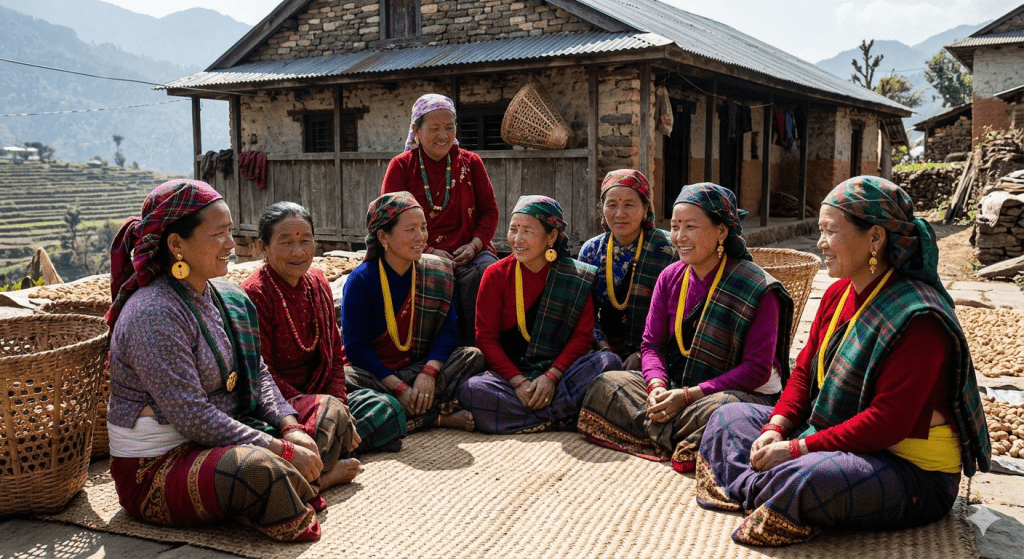
4. Record Yourself Speaking
Recording yourself is a simple but effective way to improve language production.
Use a smartphone or another recording device to record a one- or two-minute speech in your minority language. Choose a different topic each day or week.
For example:
“Today I am going to describe my village.”
After recording, listen to yourself carefully. Notice where you hesitate, repeat words, switch languages, or struggle to complete sentences.
Do not focus only on mistakes. Also identify areas where you communicate clearly and naturally.
You can repeat the same topic after several weeks and compare your recordings. This can help you recognize improvements in fluency, pronunciation, vocabulary, and confidence.
For communities working on language documentation, recordings can also become valuable resources for future learners and researchers.
5. Have Conversations With Fluent Speakers
Real interaction provides opportunities for authentic language production.
If possible, regularly communicate with fluent speakers of your minority language. Conversations with parents, grandparents, relatives, elders, friends, teachers, or community members can expose learners to natural vocabulary and expressions.
Instead of relying only on formal lessons, create situations where the language is needed for genuine communication.
You could:
- Cook together while speaking the language
- Discuss family events
- Ask elders about traditional practices
- Talk about local history
- Share stories
- Discuss current events
- Play traditional games
- Conduct interviews
These interactions make language production meaningful because the speaker has a real purpose for communicating.
6. Write Regularly in the Minority Language
Language production is not limited to speaking. Writing is another important form of active language use.
If writing in the language is difficult, begin with short sentences. Keep a daily journal, write social media posts, create short descriptions, or write messages to friends and family.
You can gradually progress to:
- Personal essays
- Short stories
- Poems
- Interviews
- Community news
- Traditional stories
- Educational materials
- Blog posts
Writing gives you more time to think about vocabulary, grammar, sentence structure, and organization.
It can also help strengthen literacy resources for minority languages that have limited written materials.
7. Create a Language-Rich Environment
The environment in which people live strongly influences language production.
If a minority language is rarely visible or audible in everyday life, learners may have fewer opportunities to use it. Creating a language-rich environment can change this.
Label objects around your home using the minority language. For example, place labels on doors, windows, tables, kitchen items, books, and other common objects.
You can also create:
- Minority language posters
- Vocabulary cards
- Community noticeboards
- Children’s storybooks
- Audio recordings
- Songs and poems
- Language-learning games
The more frequently people encounter the language, the easier it becomes to recall and produce it.
8. Use Digital Tools and Social Media
Technology can provide new opportunities for language production, especially when traditional learning resources are limited.
Minority language speakers can use digital platforms to create and share content in their language. This could include short videos, podcasts, blogs, online discussions, digital stories, or educational posts.
For example, a community could create a weekly short-video series in its minority language. Each video could introduce a word, phrase, traditional story, or cultural practice.
Digital communication also allows speakers who live in different locations to remain connected.
However, technology should not replace real human interaction. Instead, it should expand opportunities for language use and provide additional spaces for language production.
9. Practice With Structured Language Activities
Unstructured conversation is valuable, but structured activities can help learners target specific aspects of language production.
Try activities such as:
Picture Description
Look at a photograph and describe everything you can see. Mention people, objects, locations, colors, actions, and emotions.
Role-Playing
Create everyday situations such as shopping, visiting a relative, attending school, traveling, or speaking with a community elder.
Question-and-Answer Practice
Prepare questions about family, culture, education, food, nature, or personal experiences and answer them in the minority language.
Sentence Expansion
Begin with a simple sentence and gradually add information.
For example:
“I went outside.”
Then expand it:
“I went outside in the morning.”
“I went outside in the morning because the weather was beautiful.”
These exercises encourage speakers to produce increasingly complex language.
10. Make Language Production Part of Community Life
The strongest way to support minority language production is to make the language useful and visible within the community.
Language should not exist only inside classrooms or language-learning programs. It should be used in everyday activities.
Communities can encourage language production through:
- Cultural events
- Community meetings
- Storytelling sessions
- Children’s programs
- Language clubs
- Local publications
- Radio programs
- Songs and performances
- Traditional ceremonies
- Educational activities
- Community media
When people see that their language has a meaningful place in community life, they are more likely to use it.
This is particularly important for younger generations. Children need opportunities to produce language naturally rather than only studying vocabulary and grammar.
How to Overcome Common Language Production Challenges
Improving language production does not happen overnight. Learners may experience hesitation, fear of making mistakes, limited vocabulary, or difficulty finding opportunities to speak.
One common problem is the fear of making grammatical mistakes. Remember that mistakes are a normal part of language learning. If learners wait until their language is perfect before speaking, they may miss valuable opportunities for practice.
Another challenge is code-switching. Switching between a minority language and a dominant language can be natural in multilingual communities. However, if the goal is to strengthen language production, learners can intentionally create periods when they communicate only in the minority language.
Limited resources can also be a problem. In that situation, community members can create their own materials by recording stories, collecting vocabulary, writing simple texts, and documenting conversations with fluent speakers.
The key is consistency. Small amounts of regular practice can be more effective than occasional intensive study.
The Role of Families in Language Production
Families have a particularly important role in supporting language production.
Parents and grandparents can encourage children to use the minority language during everyday activities. Mealtimes, family gatherings, household tasks, storytelling, and games can all become opportunities for language use.
Elders can also share traditional vocabulary, expressions, stories, songs, and cultural knowledge with younger generations.
Rather than treating the minority language as a subject that children study, families can make it a language that children actually use.
This distinction is important. Children develop stronger language production when they have genuine reasons to communicate.
The Role of Education in Developing Language Production
Schools and educational institutions can also contribute significantly to minority language development.
Teachers can move beyond grammar-focused instruction and provide opportunities for active language production. Students should have regular chances to speak, write, present, interview, discuss, and create content in the language.
Project-based activities can be particularly useful. For example, students could interview elders about traditional practices and then produce a written report, podcast, video, or presentation in the minority language.
Such projects develop language skills while also documenting cultural knowledge.
Measuring Progress in Language Production
It is helpful to track progress rather than relying only on feelings of confidence.
Consider recording yourself speaking about the same topic every few months. Compare your recordings for:
- Vocabulary variety
- Sentence complexity
- Fluency
- Pronunciation
- Grammar
- Ability to explain ideas
- Use of culturally appropriate expressions
- Confidence
For writing, save samples from different periods and compare them over time.
Progress in language production may initially seem slow, but regular practice can lead to significant improvement.
Conclusion
Minority languages carry knowledge, history, identity, traditions, and community memories. Supporting their continued use requires more than understanding the language—it requires active language production.
Speaking every day, building practical vocabulary, storytelling, recording speech, communicating with fluent speakers, writing regularly, creating language-rich environments, using digital tools, practicing structured activities, and integrating the language into community life can all strengthen language production skills.
The most important principle is simple: a language becomes stronger when people use it.
Every conversation, story, written sentence, recording, song, and digital post creates another opportunity for a minority language to remain active and relevant.
By making language production part of everyday life, families, educators, learners, and communities can help ensure that minority languages are not simply remembered as part of the past but continue to be spoken, written, shared, and passed on to future generations.